
When a university invites its students on a research expedition, they never know what they might uncover—or if their names will be etched into history books. Students from Petrozavodsk State University ventured to the shores of Lake Onega, one of Europe’s largest and most significant lakes, and there they found a hidden jewel that had lain undisturbed for millennia.
The expedition was led by archaeologist Aleksandr Zhulnikov. The team uncovered a burial pit containing the remains of a man who lived approximately 5,400 years ago. The grave was surrounded by red pigment, and the body itself was wrapped in the same red pigment, covered with around 140 pieces of a fossil resin remarkably similar to amber.
These were not the only unusual adornments found. The body had originally been wrapped in a leather blanket with buttons sewn downward. On both sides of the grave, additional objects were discovered: a flint spearhead and several small flakes, interpreted as offerings to the buried individual.
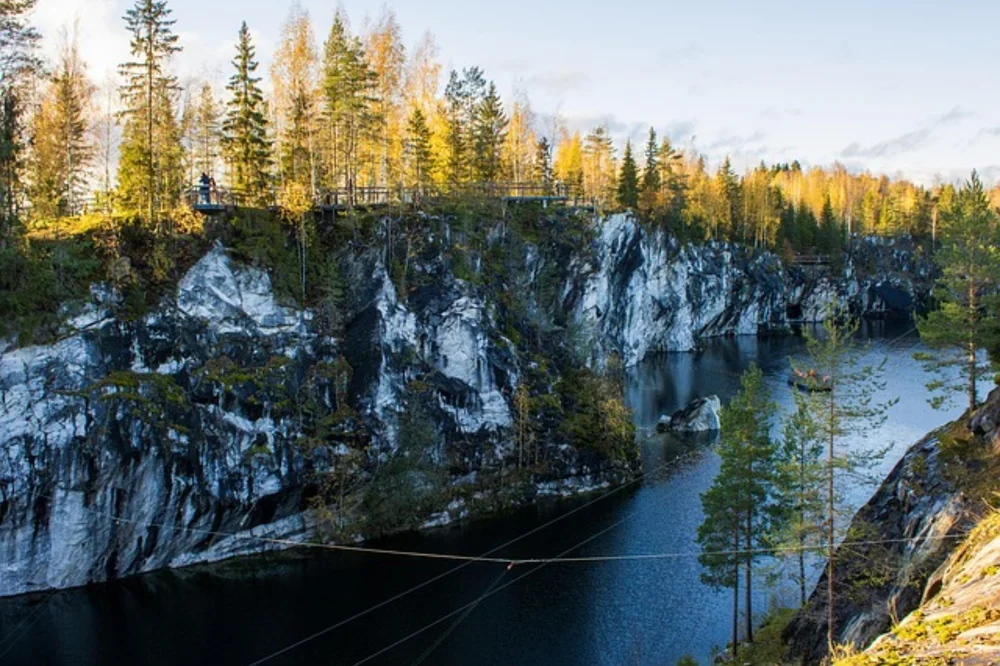
Lake Onega (Pixabay)
After on-site analysis, researchers dated the tomb to around 3400 BCE, during the Copper Age. The identity of the person remains unknown, though several hypotheses have been proposed. Initial reports suggested a possible merchant traveling from the Baltic region. Later interpretations lean toward an individual who spent most of his life in this area, perhaps part of a thriving community. Both theories are plausible, as the items found in the pit include local materials alongside objects that could have been brought from other regions through trade.
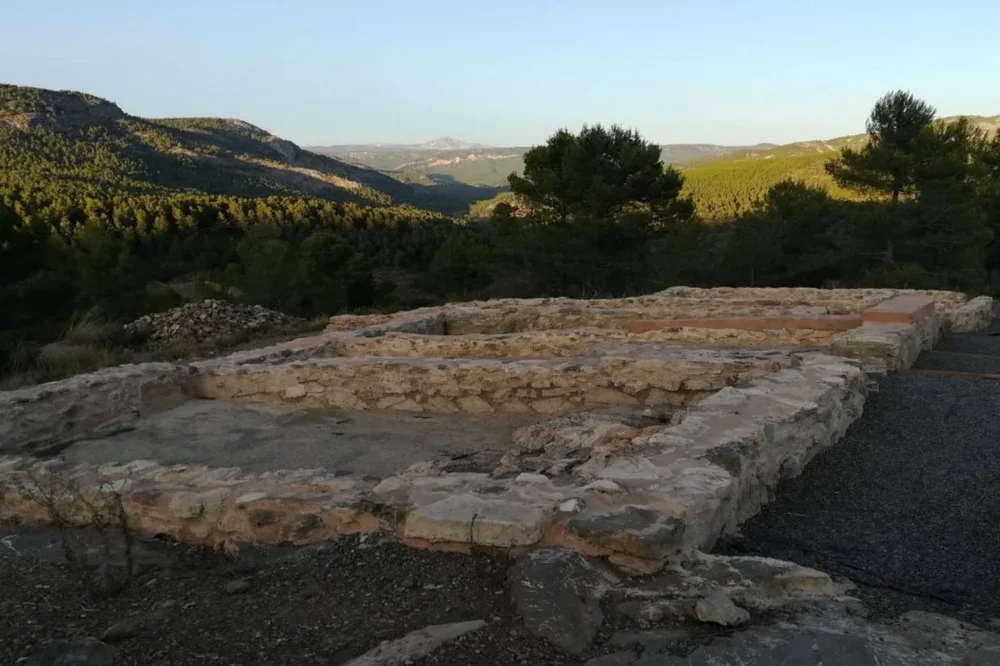
Image from a resource site (Almería excavation)
This discovery offers a rare glimpse into the ancient past of the Lake Onega region, highlighting the cultural and trade connections of early societies. The student’s find, initially thought to be just a stone, turned out to be far more significant—a testament to the hidden history waiting beneath our feet.