
Cresan, the Shandong Taishan forward, is on a hot streak in the Chinese Super League, consistently contributing goals and assists while emerging as one of the team’s most dangerous attackers. Off the pitch, subtle signs have sparked speculation: he has been spotted wearing a Chinese national team training shirt in public and has repeatedly expressed interest in representing China in interviews. Under current FIFA rules, naturalization could theoretically become a possibility if residency and nationality transfer requirements are met.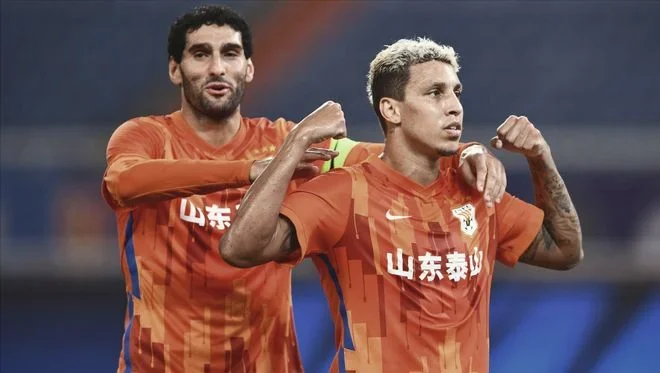
Over the past decade, Chinese football has paid a heavy price for its naturalization experiments. The so-called “saviors” once hailed as the key to World Cup qualification left behind broken contracts, unrecoverable investments, and a reaffirmation that shortcut thinking doesn’t work. In plain terms, Cresan likely sees the lucrative packages his Brazilian compatriots received and thinks, “Why wouldn’t I want that?” It’s a blunt assessment, but closer to reality than many care to admit.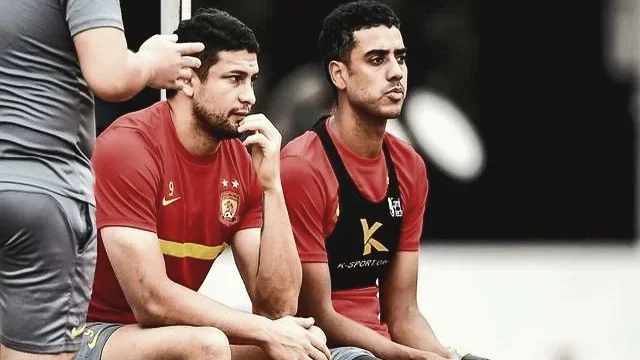
Chinese football has a pattern: after each failure, instead of addressing systemic issues, it turns to a quick fix. Two decades ago, professionalization was supposed to transform the game. Then came the “golden age” of spending, followed by the naturalization gamble. None delivered lasting results. Around 2019, the Chinese Football Association and clubs pushed massive naturalization efforts. Players like Elkeson, Luo Guofu, Alan, Fernando, and Jiang Guangtai joined with the hope of propelling China to the 2022 World Cup. On paper, the talent was impressive: Elkeson was a top CSL scorer, Alan possessed technical finesse, Luo Guofu brought grit, and Fernando offered speed. Football success, however, isn’t simply about stacking talent.
The costs were staggering—salaries, signing bonuses, and settlement fees ran into huge sums, though exact figures remain undisclosed. Yet China still failed to qualify for Qatar 2022. The core objective of the expensive experiment was missed. More troubling, many naturalized players had no genuine emotional connection to Chinese football. Their decisions were professional moves, which is understandable—football is a job. But Chinese football and some fans had romanticized the idea that wearing the national jersey automatically meant fighting for the country. Reality was different. While Luo Guofu earned respect for his effort and Alan showed professionalism, naturalization was never a long-term strategy—it was a short-term patch. As players aged, contracts changed, and club environments deteriorated, they left, leaving the CSL and national team back where they started. Fernando’s case is typical: seen as a dynamic winger, he was plagued by injuries and inconsistency, offering only sporadic contributions.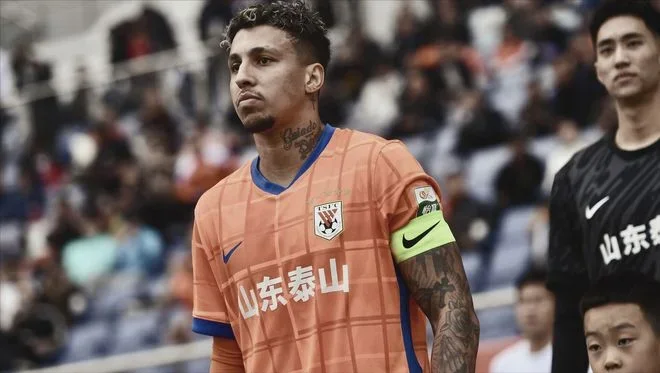
Now, with Cresan’s naturalization rumors resurfacing, the historical echo is strong. Cresan is one of the CSL’s most dominant foreign players, with strong individual ability and a positive attitude. Adding his firepower could upgrade China’s attack. But the real problem isn’t a lack of a good foreign striker. China lacks school football systems, standard pitches in towns and villages, affordable training costs, grassroots coaches who understand modern football, transparent youth development pathways, and an environment where young players can grow through sustained competition. None of these will be solved by a Brazilian forward getting a Chinese passport.
Imagine if the massive funds spent on naturalization had been invested in grassroots football: hundreds of schools could have better facilities, thousands of coaches could receive systematic training, and more children from ordinary families could afford to play. In a decade, Chinese football might not have made a World Cup, but it would have its own foundation. Instead, hope is repeatedly placed on a foreign player in good form. Worse, the naturalization mindset damages patience for developing homegrown talent. Young players need game time, room for error, and time—not being told after every loss to “find more foreigners to change nationality.”
There are successful naturalization cases in world football, but those countries have clear overall strategies where naturalization is part of the system, not the system itself. Chinese football’s danger lies in treating partial measures as fundamental solutions. For Cresan personally, if he meets conditions and willingly undergoes naturalization, it’s not morally wrong—he’s a professional seeking better honors and treatment. The issue isn’t whether the player wants the money, but whether Chinese football is ready to repeat a proven failing path with taxpayer, capital, and fan expectations.
The most exhausting part of Chinese football isn’t losing—it’s falling into the same traps. Losing to Japan or South Korea reflects a talent gap, but repeating the same conceptual cycle means real stagnation. The money era failed; the naturalization gamble failed. If Cresan’s form now reignites similar illusions, it shows lessons haven’t been learned. World Cup tickets aren’t bought by “buying a few good players.” True footballing strength comes from how many kids run on pitches, how many grassroots coaches work quietly, and how many parents believe playing football is a worthwhile path. These things don’t make splashy headlines or produce miracles quickly, but they are football’s real roots.
Cresan deserves respect and appreciation. But if Chinese football pins its hopes on another Brazilian striker, the problem isn’t Cresan—it’s us. When an industry constantly tries the fastest method to solve the deepest problems, it ultimately pays a higher price. Naturalization might provide a temporary boost in some matches, but it can’t replace system building. Money can buy fleeting hope, but not football culture. Nationality can be changed through paperwork, but footballing depth can’t be purchased with a checkbook. So, faced with Cresan’s overtures, Chinese football’s best response is not excitement but calm. Stop asking “Can he help us reach the World Cup?” First ask: Are the years of spending actually building Chinese football, or just buying a series of enticing illusions?